Add Row
Add Element
UPDATE
  • Home
  • Categories
    • Health
    • Fitness
    • Beauty
    • Fashion
    • Wellbeing
    • Wellness
    • Lifestyle
    • News
    • Mental Health
    • Nutrition
    • Self-Care
September 06.2025
2 Minutes Read

What Your Declining Strength Could Reveal About Dementia Risk

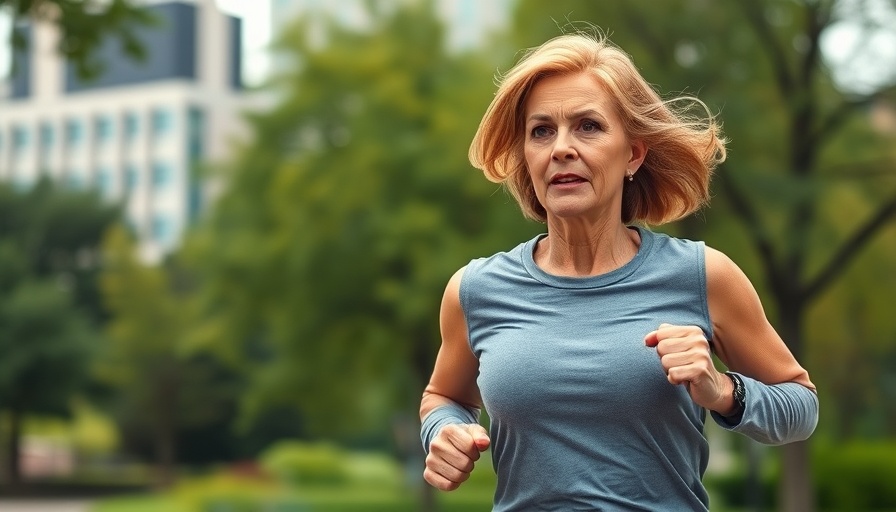
Middle-aged woman jogging to reduce dementia risk.

Understanding the Hidden Risks of Aging

Many of us expect to feel a gradual decline in strength and speed as we age. Yet, recent research sheds new light on how these changes can be more than just what we're used to; they may also signal a risk for dementia. This is particularly relevant to older adults, especially women, who are statistically more likely to experience such cognitive decline.

The Study: Grip Strength and Cognitive Health

Researchers from Edith Cowan University conducted a significant study analyzing over a thousand women around the age of 75. The study focused on two key measurements: grip strength and a "timed up and go" (TUG) metric, which assesses mobility by timing how fast an individual can rise from a chair, walk a short distance, and return to sitting. Their findings revealed that those showing significant declines in strength and speed were up to twice as likely to experience late-life dementia events, including hospitalizations or mortality linked to dementia.

Why Should We Care?

It's crucial to note that while some loss of strength as we age is expected, understanding these correlations may lead to timely interventions. The notion of using simple and affordable tests for grip strength and mobility could become a part of regular health screenings in the future. As Dr. Marc Sim highlights, these assessments could help identify individuals at high risk for cognitive decline, allowing for preventive measures like dietary changes and increased physical activity.

Taking Action for Your Health

Awareness is the first step. For individuals over 70, engaging in physical fitness routines that build strength can contribute not only to physical health but also to cognitive well-being. Incorporating specific exercises targeting muscle strength can have protective effects against dementia. In addition, a balanced diet enriched with vital nutrients can further promote overall health.

Final Thoughts: Empowering Yourself Through Knowledge

The connection between strength decline and dementia risk might seem daunting, but it opens the door for proactive health choices. We have the power to influence our future by taking small steps toward maintaining our physical health. Paying attention to our body’s signals and adopting healthier lifestyles can make a significant difference in our cognitive health as we age.

Health

0 Comments

Write A Comment

*
*
Related Posts All Posts
02.24.2026

Why Women’s Heart Disease Risk Rises at Lower Plaque Levels

Update Understanding Women's Unique Heart Attack Risks Every year, heart disease claims the lives of more women than any other cause, yet alarming disparities exist in how their risks are assessed compared to men's. Recent research points to a critical gap in medical protocols that may put women at increased risk of major cardiac events, despite their typically lower plaque volumes. Lower Thresholds Indicate Higher Risks for Women A pivotal study published in the journal Circulation: Cardiovascular Imaging reveals that while women generally have less artery-clogging plaque, their risk of heart problems, including heart attacks, begins rising at a lower plaque burden than men. The study's findings indicate that for women, risk of serious cardiac events spikes at just 20% plaque burden, while for men, it starts at 28%. Dissecting the Details: Study Insights The PROMISE trial, which examined data from over 4,200 individuals suffering from chest pain or shortness of breath, underscores this gender disparity. The study noted that only about 55% of women exhibited plaque, significantly less than the 75% of men. However, the alarming insight was that major cardiac events occurred at similar rates among both genders despite women's smaller plaque volumes—2.3% of women faced serious complications in comparison to 3.4% of men. Why This Matters: Advancing Women's Health Care Heart attacks in women often present differently than in men, emphasizing the need for sex-specific assessment criteria in clinical settings. As women advocate for better healthcare tailored to their biological differences, it becomes imperative for healthcare providers to utilize risk calculators and screening guidelines that reflect gender disparities accurately. Taking Charge of Your Heart Health Knowing these critical statistics empowers women to ask informed questions during doctor visits. Inquire about CT angiography if you're at risk, bring up sex-specific benchmarks, and monitor essential health metrics like LDL and HDL cholesterol, blood pressure, and blood sugar. These proactive measures can help bridge the gap in heart health assessment. A Call for Change in Women's Health Insights Understanding that women may face heart disease risks at lower plaque levels than previously thought exemplifies the essential evolution in cardiovascular care. The conversations sparked by this research could lead to better screening practices and ultimately save lives. Advocate for your health with informed discussions during medical appointments, ensuring your heart is accurately assessed on its own terms.

02.21.2026

Discover How Your Breath at Night Affects Memory Consolidation

Update The Breath-Memory Connection: Unraveling the ScienceRecent research has uncovered a fascinating link between sleep, breathing, and memory consolidation that may significantly impact our daily lives. Published in the journal Nature, this study emphasizes that the way we breathe during sleep can alter the brain's functioning, particularly how memories are formed and retained. Researchers found strong evidence showing that our breathing rhythms influence crucial sleep oscillations responsible for memory retention, hinting that healthier breathing could enhance our cognitive performance.Navigating Sleep: Why It Matters for EveryoneFrom students to professionals, improving memory through better sleep could benefit anyone who relies on cognitive skills in their daily lives. While sleep’s role in memory has been long established, the recent insights linking respiration to brain activity shine light on a new dimension of sleep science. Individuals struggling with sleep disturbances, particularly the elderly, could take heart: addressing breathing issues might improve their memory recall and overall cognitive health.Practical Tips for Enhancing Sleep and BreathingAs we explore ways to foster superior memory retention, implementing strategies for better breathing during sleep becomes paramount. Here are some actionable suggestions to optimize both breath and rest:**Maintain a cool bedroom**: Keeping your sleeping environment around 65°F can encourage better sleep quality.**Encourage nasal breathing**: Experiment with mouth taping or nasal strips to facilitate correct breathing pathways at night.**Avoid sleep disruptors**: Steering clear of alcohol and heavy meals before bedtime can pave the way for uninterrupted rest.**Consider sleep aids**: A research-backed sleep supplement might enhance your quality of sleep, aiding the memory consolidation process.What Lies Ahead for Sleep Research?Looking forward, these findings hold vast implications. As we continue to unravel the complex relationship between physiological processes and cognitive health, it becomes increasingly clear that navigating our breath may be a key player in how well we sleep and, by extension, how well we remember. The health implications of this research could lead to innovative therapies tailored to enhance breathing and thus improve quality of life for many.The Last Word: Commitment to Better BreathingAs we strive to unlock the mysteries of the mind, it appears that focusing on our respiratory health at night can have far-reaching effects on our cognitive well-being. If improved memory matters to you—consider implementing these breathing techniques into your nightly routine. It could be the key to not just better sleep but a sharper mind.

02.19.2026

The Surprising Connection Between Menopause and Osteopenia: Learn How to Protect Your Health at Any Age

Update Unmasking Osteopenia: My Unexpected Health Journey Revelations often emerge when you least expect them, frequently leading to disruptions in how we perceive our health. I was a dedicated triathlete, fervently adhering to a vegan, plant-based diet, convinced that my disciplined lifestyle would shield me from ailments typically associated with older age. However, at 38, I discovered that my athleticism could not protect me from the surprising diagnosis of >frozen shoulder—an affliction more commonly linked with the aging population. After weeks of discomfort, my journey into the world of medical diagnostics began. Despite my active lifestyle, a scan revealed osteopenia, the early stage of osteoporosis—a condition that is usually overlooked until later in life. Osteopenia is often preceded by hormonal changes during the perimenopause, a transition that can start in your late 30s, significantly affecting female skeletal health. Instead of viewing aging as something distant, I was faced with the stark reality that this was my immediate concern. Understanding the Hormonal Connection In women, the decline of estrogen during perimenopause profoundly impacts both bone density and joint health. During this time, the body begins to lose flexibility, and bone mass diminishes at a rapid rate. This revelation prompted me to explore the underlying connections between my frozen shoulder and bone density, showing just how intricate our bodies can be. According to research, hormonal shifts during perimenopause can lead to a notable acceleration in bone loss, threatening mobility and independence, which I now realized was at stake. One in two women over 50 faces osteoporosis-related fractures, a scary statistic that underscores the necessity of proactive health strategies from a younger age. Empowerment Through Knowledge and Action Initially overwhelmed by my diagnosis, I sought alternatives to medication, looking for ways to improve my condition through lifestyle changes. Engaging with health professionals specializing in women's health, I embarked on an educational journey, reading, attending talks, and embracing supportive communities. Through resistance training and weight-bearing exercises, expert recommendations pointed towards potential methods to increase bone density. Surprisingly, our bones are not static; they respond to the stress of exercise, thereby fostering stronger bone health. The recognition that my health is a lifelong venture has been nothing short of transformative. Preventive Strategies: What Can You Do? As I reflected on my situation, I recognized that many others might be facing similar challenges without understanding their health implications. Knowledge is key in navigating health stories, and integrating preventative measures can be an empowering step: Calcium and Vitamin D: Ensure your diet includes plenty of calcium and vitamin D, as these are critical for bone health. Stay Active: Engage in weight-bearing and resistance exercises to counteract bone loss. Regular Check-Ups: Monitor bone mineral density, especially during perimenopausal years. Talk to Healthcare Providers: Consult with professionals about individualized health strategies, including dietary changes or medication, if necessary. Conclusion: The Path Ahead Reassessing one’s health at any stage of life is crucial, especially when faced with unexpected diagnoses. My story underlines the importance of taking ownership of health before age-related issues arise. For those navigating similar paths, let this serve as a gentle reminder to listen to your bodies and advocate for your health. If you’re facing health uncertainties, consider reaching out to trusted sources and experts in your area, because it’s never too late to start prioritizing your health!

Terms of Service

Privacy Policy

Core Modal Title

Sorry, no results found

You Might Find These Articles Interesting

T
Please Check Your Email
We Will Be Following Up Shortly
*
*
*