
Add Row
Add Element
UPDATE
  • Home
  • Categories
    • Health
    • Fitness
    • Beauty
    • Fashion
    • Wellbeing
    • Wellness
    • Lifestyle
    • News
    • Mental Health
    • Nutrition
    • Self-Care
March 27.2025
2 Minutes Read

Understanding Women's Unique Sleep Struggles: Insights and Solutions

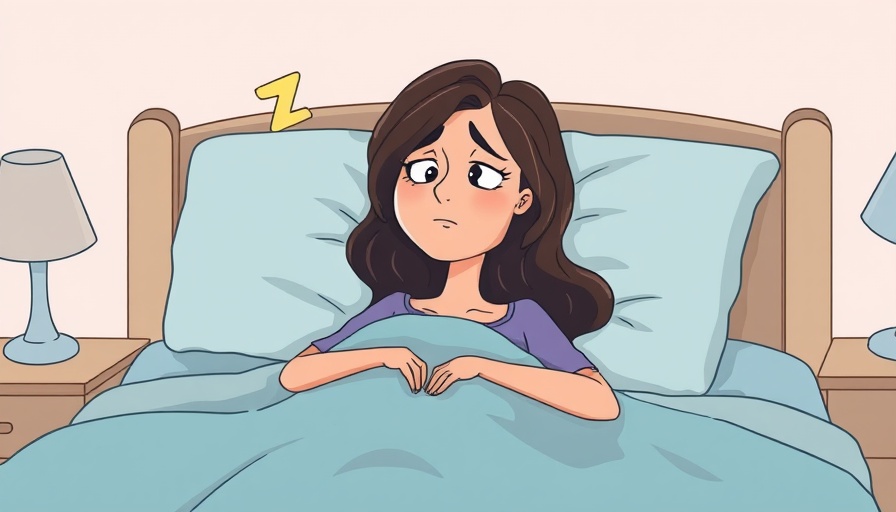
Cartoon woman experiencing sleep issues in bed, conveying stress.

The Hidden Struggles of Women and Sleep

Many women wrestle with sleepless nights, and research supports that they experience insomnia at much higher rates than men. Sleep is essential for overall health—it's when our bodies reset and recharge. Christian F. Nunes, President of the National Organization for Women (NOW), emphasizes the importance of sleep, stating, "Sleep health is very important; it is rest for our bodies and for our brains." Without adequate rest, both mental and physical wellbeing can suffer.

Why Women Struggle More with Sleep

Three key factors contribute to women's sleep difficulties:

  • Hormonal Changes: Women's bodies undergo various hormonal shifts throughout their lives which can disrupt sleep patterns, especially during puberty, pregnancy, and menopause.
  • Caregiver Responsibilities: Many women balance work with the demands of caregiving, leading to fragmented sleep as they attend to their children’s needs during the night.
  • Mood Disorders: Women are more prone to stress and anxiety, both of which can spiral into insomnia and chronic sleep problems.

Common Sleep Disorders Affecting Women

Nunes identifies specific issues that plague many women:

  • Insomnia: A common issue characterized by persistent difficulty falling asleep or maintaining sleep.
  • Sleep Apnea: This serious condition can cause interruptions in breathing during sleep.
  • Restless Leg Syndrome: Often keeping women awake, this neurological condition forces involuntary leg movements at night.

Simple Solutions to Improve Sleep

If you're struggling with sleep, practical solutions can make a significant difference. Establishing a solid sleep routine, reducing caffeine intake, and creating a tranquil sleeping environment can facilitate better sleep. Nunes suggests taking straightforward steps that lead to falling asleep faster and waking up refreshed. The journey to better sleep doesn’t require drastic changes; small tweaks can yield substantial results.

Mental Health

0 Comments

Write A Comment

*
*
Related Posts All Posts
02.22.2026

Conquering Parenting Shame: Embrace Growth and Connection

Update Understanding the Weight of Parenting Shame Each day, parents navigate a labyrinth of expectations, often complicated by societal standards that can amplify feelings of inadequacy. As Lia Avellino, an LCSW, articulates, this omnipresent shame often leads to a spiral of self-doubt, particularly when faced with the challenge of parenting. In her insightful examination, Avellino emphasizes that shame can cloud judgment, making it harder to confront the realities of one’s parenting journey. According to Brené Brown, shame is that ‘intensely painful feeling of believing that we are flawed’—a belief that can hinder the connection between parent and child. Breaking the Cycle of Self-Criticism Shame, as many studies highlight, can be rooted in our upbringing or societal pressures—making it a pervasive issue that almost every parent faces. Dr. Dianne Grande elaborates on this notion, asserting that feelings of shame stem from self-critical thoughts that feed on societal expectations. Parents often think, ‘If my child misbehaves, I must not be doing a good job,’ which only perpetuates the cycle of negative self-talk. To combat this, it’s crucial for parents to recognize that parenting doesn’t come with a formula for success; each child is unique, and parenting styles must naturally adapt to meet those needs. Actionable Steps to Navigate Parenting Shame Avellino provides a five-step approach to help parents identify shame triggers and diminish their impact on their mental health: Recognize Your Shame: Become aware of the moments when shame strikes. Are you comparing yourself to others? Recognize that those feelings often don't stem from your reality but from external narratives. Challenge Your Thoughts: Dr. Bergen encourages parents to differentiate between influence and determinism. Just because a child exhibits certain behaviors doesn’t define your worth as a parent. Embrace Support: Sharing feelings of shame with trusted friends can lighten the burden. Supportive conversations help reduce feelings of isolation, reminding parents that they’re not alone in their challenges. Shift Your Focus: Concentrate on your child’s needs rather than external judgments. Rather than being swayed by what others might think, prioritize the well-being and growth of your child. Seek Professional Guidance: If shame becomes overwhelming, talking to a therapist can provide deeper insights and coping strategies. Conclusion: The Importance of Compassionate Parenting The journey through parenting is laden with highs and lows, and it’s essential to approach oneself with empathy. Parents should remember that while guidance and advice are valuable, individual experiences shape each family uniquely. This understanding fosters resilience and compassion, both for oneself and one’s children. With empathy, parents can counteract the debilitating effects of shame and instead cultivate a nurturing environment for their families to thrive. Feeling overwhelmed by the weight of parenting perfection? Allow yourself grace and consider reaching out to a supportive community or professional guidance to navigate these feelings together.

02.07.2026

Unlocking the Future of Mental Health: Importance of Early Intervention

Update Reframing Mental Health: The Necessity of Early Intervention In an age where physical fitness is prioritized, mental health often remains sidelined. Advances in understanding mental well-being have highlighted how proactive measures—such as early intervention—are not merely beneficial but essential. Top psychiatrist Daniel Z. Lieberman emphasizes that mental health is not just about the absence of illness, but about achieving joy, connection, and purpose. This perspective invites individuals to take a more active role in their mental health maintenance. The Dangers of Pathologizing Everyday Emotions Although the conversation about mental health has progressed, there is a growing concern among experts about the tendency to pathological feelings that were once deemed normal responses to life's ups and downs. Such pathologizing can lead to unnecessary anxiety and medicalization, potentially detracting from the understanding that diverse emotions are natural parts of the human experience. This shift in societal perspective could further delay the seeking of help when real crises arise. Understanding Early Intervention Early intervention in mental health refers to recognizing and addressing emotional troubles before they escalate into more severe mental health issues. Research shows that early treatment can significantly improve outcomes and keep individuals connected to their communities. For instance, addressing anxiety or depression at onset can make a significant difference in recovery trajectories, avoiding long-term detrimental effects on individuals' personal and professional lives. Digital Platforms: A Gateway to Access In response to the widespread barriers facing potential patients, digital health platforms are increasingly providing access to mental health resources. For individuals in remote or underserved areas, these platforms eliminate the geographic hurdles previously faced in receiving timely care. Connecting via telehealth has transformed the landscape, allowing individuals to seek help without enduring the stigma that has long surrounded mental illness. A Call for Comprehensive Approaches to Youth Mental Health As illustrated across global studies, addressing youth mental health through a comprehensive model that includes prevention and early intervention measures not only facilitates better health outcomes but can also reduce long-term costs for families and the healthcare system. Professionals acknowledge the need to extend these strategies beyond merely treating disorders and instead fostering environments that promote resilience and support within families and communities. Conclusion: Taking Charge of Mental Well-Being The overall message is clear: mental health requires active engagement and understanding. By reframing how we view emotions and prioritizing early intervention, individuals can take charge of their mental health and enrich their lives. With ongoing discussions and advancements in mental health awareness, it is crucial for people to embrace both the simplicity and the necessity of proactive mental health care.

02.04.2026

How Perfectionism Harms Women and Paths to Healing

Update The Quiet Epidemic of Perfectionism Among Women For many women today, the struggle with perfectionism is not just an occasional feeling; it is an ever-present burden that taunts them daily. This silent epidemic can lead to what Hilary Phelps describes as a 'quiet collapse,' where the pressures of life force women to prioritize the needs of others while neglecting their own well-being. As women silently navigate the treacherous waters of societal expectations, many find themselves feeling overwhelmed and disconnected from their authentic selves. Understanding Perfectionism: A Hidden Struggle Perfectionism manifests in two main forms: self-oriented perfectionism, where individuals set excessively high standards for themselves, and socially prescribed perfectionism, influenced by the perception of external expectations. Both types can lead to significant mental health challenges, including anxiety and burnout. According to Dr. Amber Penn, around 25% of women report high perfectionism in clinical settings, a stark contrast to less than 15% of men, suggesting that women are often held to a different standard. The Impact of Perfectionism on Mental Health Perfectionism can be particularly damaging during critical life stages, such as pregnancy and motherhood. Research indicates that nearly 34% of new mothers with postpartum depression experience high levels of perfectionism. Women often bear the dual pressure of excelling in their careers while maintaining the idealistic portrayal of motherhood, resulting in chronic stress and emotional exhaustion. The Path to Healing: Embracing Self-Compassion As Phelps discovered on her journey to sobriety, healing begins with self-acceptance and the recognition that being 'good enough' is often more fulfilling than striving for impossible standards. Implementing practices of mindfulness and self-compassion can empower women to counteract their inner critic. Experts emphasize the importance of prioritizing self-kindness, dismantling the 'tyranny of the shoulds,' a term coined by psychoanalyst Karen Horney, and understanding that imperfections are part of the human experience. Moving Forward: The Future of Self-Acceptance As the conversation around perfectionism grows, it is crucial to foster an environment that promotes realistic expectations. Acknowledging that perfectionism is a societal issue, rather than solely an individual challenge, opens pathways for broader change. This shift can empower women to reclaim their lives, recognizing that vulnerability is a strength and that authenticity over performance is a far richer pursuit. By sharing our stories and experiences, we can begin to dismantle the cultural myths that hold women back and celebrate the beauty of being perfectly imperfect.

Terms of Service

Privacy Policy

Core Modal Title

Sorry, no results found

You Might Find These Articles Interesting

T
Please Check Your Email
We Will Be Following Up Shortly
*
*
*